
Memory care is a specialized form of senior living designed to support individuals with Alzheimer's disease and other dementias, offering tailored services that foster safety, comfort, and cognitive engagement.
In Utah, there are various memory care facilities that provide dedicated staff trained in dementia care, structured activities, and secure environments to ensure residents receive the support they need. This is particularly important as many residents may have come from a nursing home environment, seeking more personalized memory care services where they can create connections with new friends.
A local Delicate Decisions Senior Care Advisor can help you locate a community that fits your location, budget, and care needs. Call (801) 903-2793 to get started.

One standout option is Avamere at Mountain Ridge, praised for its tailored programs and innovative therapies specifically designed for residents dealing with memory-related ailments. Located in South Ogden, Avamere offers comfortable living arrangements and structured daily activities that stimulate mental engagement.
These routines often include thoughtfully prepared meals that align with nutritional needs and cognitive support. This helps maintain cognitive function and provides a sense of purpose for residents. Here, even as memory may fade, the ability to forge new friendships is encouraged, bringing warmth and companionship. As one family member put it, “The kind support and creative activities brought joy back into our loved one's life, and they’ve found friends who brighten their days.”
Transitioning into memory care often comes with emotional challenges for families, and this is where Beehive Homes of Ogden shines. This smaller, intimate community fosters close relationships not only between residents and staff but also among the residents themselves, which helps them feel a sense of belonging and friendship. Individualized care plans focus on each person’s unique history and preferences, nurturing an environment where residents can thrive instead of merely existing. Families frequently note the genuine compassion and friendly atmosphere exhibited by the caregivers, creating an environment where residents can build friendships beyond the basic amenities often found in a nursing home.
Continuing along the path of personalized care, let's highlight Spring Gardens, where the focus is on enhancing quality of life through meaningful activities. This facility integrates physical exercise with cognitive stimulation while prioritizing safety for each resident. They employ advanced safety measures, such as secure outdoor walking paths, allowing residents to enjoy nature without worry, sometimes with a group of newfound friends. Additionally, mealtime is considered a pivotal part of daily life, where meals are crafted to nurture both body and soul, supporting overall health.
Each of these facilities reflects an ethos of dedication towards nurturing not just the physical well-being of their residents but promoting overall mental health through engaging social interactions and personal connections. Forming friendships in such environments can add a layer of emotional support that’s invaluable for residents. Whether transitioning from a nursing home or directly into memory care, these comprehensive services cater to varied needs, including tailored meals served in a communal dining setting that fosters camaraderie.
Families frequently express gratitude for the peace of mind these establishments provide. One family remarked about Cedarwood at Sandy, stating, "The staff at Cedarwood is attentive and truly understands dementia's challenges, making the transition smooth and stress-free. They made sure our loved one felt at home and among friends."
As you explore these wonderful senior living options in Utah, it's essential to consider how each community offers unique services catered to individual needs. This exploration will lead us to deeply understand the wide array of services available for seniors facing cognitive challenges, as well as opportunities for social connections. The incorporation of well-balanced meals enhances not only the physical nourishment of residents but also contributes significantly to their overall well-being, as shared meals often cultivate friendships.
The presence of 24-hour supervision guarantees that trained staff members are always available to assist and provide support whenever needed.
This enhances safety but also facilitates social interaction, which is vital for mental health.

The heart of memory care often lies in its therapeutic programs, which play a fundamental role in enhancing cognitive function and quality of life. These programs also offer family members peace of mind, knowing that their loved ones are in a place where they are actively engaged with people who understand their needs.
Memory care facilities truly stand apart because they offer a tailored approach to meeting the unique needs of individuals with cognitive impairments. The ability to foster friendships within these communities adds immense value and enriches the residents' daily experiences.
The essence of their mission lies in creating an environment that prioritizes safety, dignity, and comfort for residents. This goes beyond just basic supervision; it involves comprehensive services designed to address both physical and emotional well-being, reminiscent of the attentive care found in a high-quality nursing home.
For many people, these facilities become an important part of their lives, offering them a supportive and secure community.
One of the most essential features of these facilities is the creation of personalized care plans. Each plan is crafted after assessing the individual needs, preferences, and capabilities of the resident. This customization ensures that every person receives care that reflects their history and encourages independence as much as possible. Additionally, regular evaluations help to adjust these plans as needed, allowing flexibility in care as conditions may change over time. Meals play a vital role in these care plans, ensuring nutrition is tailored to support each resident's specific health needs.
Medication management is another critical service provided at memory care facilities. It ensures that residents receive their medications on time and in the right doses to manage their medical conditions effectively, creating a safe and reliable place for care. This service is especially valuable since forgetting to take medication can have serious consequences. People involved in the care process, including staff and family members, are often educated about medications, fostering a sense of empowerment even amidst cognitive challenges, and reassuring family members that their loved ones are in good hands.

Engaging activities are at the heart of memory care, serving as a vital tool in maintaining cognitive function and enhancing the overall quality of life for seniors. Facilities understand the significance of providing a range of structured activities tailored to each resident's unique interests and abilities.
A thoughtfully designed activity schedule not only keeps people physically active but also stimulates their minds and fosters social connections, further solidifying the facility as an invaluable place within the community.
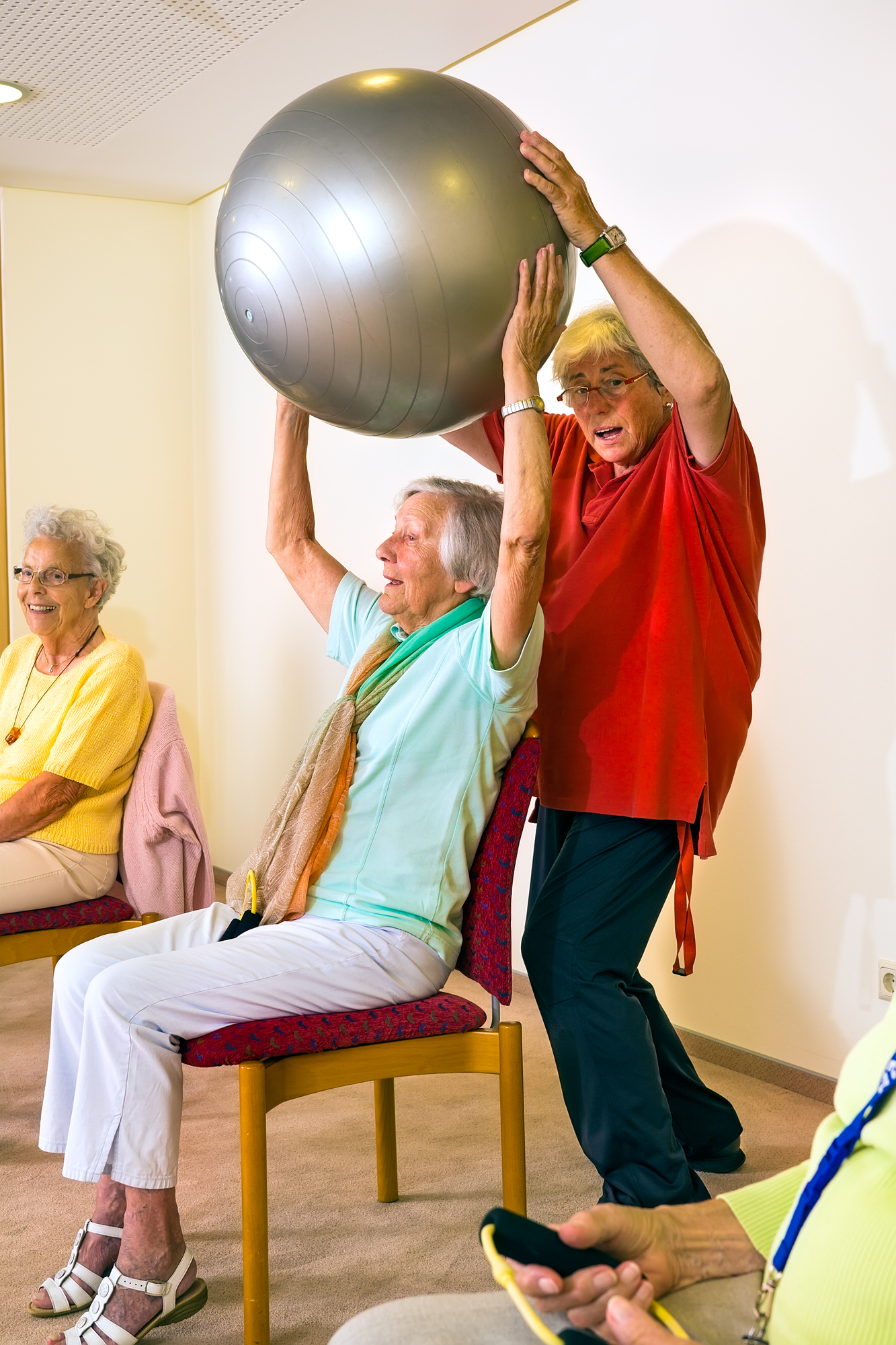
Daily physical exercises: Gentle exercises improve mobility and physical health while also boosting mood. Simple stretching or chair yoga classes can be beneficial and enjoyable. These classes are often offered as part of the facility's amenities, providing residents with ample opportunities to maintain their physical well-being.
With dedicated caregivers leading activities, memory care environments become enriching spaces where seniors not only live but thrive. This sets the stage for examining the qualities that contribute to effective caregiving, ensuring that residents receive both skilled support and heartfelt compassion.
The caliber of caregivers within memory care facilities truly influences the quality of life for residents. When selecting a memory care facility, it's crucial to consider not only their qualifications but also their approach to caregiving. The expertise of staff members can vary, and organizations that prioritize hiring trained professionals in dementia care make all the difference. Access to continuous professional development resources ensures that caregivers can keep their skills current and effective.
Skilled caregivers possess a deeper understanding of how to engage individuals with Alzheimer's or related dementias, recognizing unique behaviors and responding appropriately to emotional needs. Their specialized training, supported by resources focusing on the latest dementia care techniques, enables them to tackle challenges effectively, turning potentially distressing moments into opportunities for connection and growth.
According to the Alzheimer's Association, caregivers with formal dementia training provide significantly better care and improved outcomes for residents. This means that when you choose a facility prioritizing expert knowledge, supported by ample resources, you're opting for an environment where your loved one can thrive. It isn’t just about medical care; it’s about emotional well-being and ensuring residents feel safe and understood in their surroundings.

A relative from a Draper memory care facility shared, “Knowing the caregivers are trained specifically in dementia care reassured our family that our loved one was in great hands.” This sentiment speaks volumes about the peace of mind families experience when they trust their loved ones to well-trained professionals.
In addition, the state-of-the-art amenities and supporting resources available enhance their day-to-day experiences. What’s more, having skilled caregivers is only part of the equation; establishing a supportive atmosphere cultivates a feeling of home among residents. Many dementia care facilities offer guided tours of their care units to show how these environments, enriched with plentiful resources, support and enrich the lives of those with memory challenges.
An effective caregiving team doesn’t just work efficiently but also shows compassion and empathy. They use their resources wisely to ensure that every resident's journey is as fulfilling and comfortable as possible.These caregivers often form bonds with residents that go beyond duties; they listen, share stories, and create daily routines that resonate with individual preferences.
Many facilities implement strategies such as personalized activity schedules or reminiscence therapy that cater specifically to experiences, creating emotional connections through shared memories. A tour through these specialized units often reveals the depth of these personalized strategies in action. This tailored approach is mirrored in home care services, which strive to provide similar personalized and comforting experiences for those who prefer receiving care in the familiarity of their own homes.
Regular interaction plays a vital role in alleviating feelings of isolation often experienced by those with memory impairments. Caregivers who take extra time to engage in meaningful conversations or partake in activities can noticeably enhance residents’ emotional well-being. Moreover, a recent study showed that meaningful interactions contribute significantly to reduced agitation and improved mood, demonstrating that caregiving is as much art as it is science. During a tour, visitors may witness firsthand the unit’s interactive activities that emphasize these meaningful engagements. Home care services can also incorporate these interactions, ensuring continuity of care for seniors who choose to remain at home.
When evaluating memory care options, remember to look beyond credentials; assess the overall culture within the facility regarding caregiver-resident relationships. This helps families ensure that the tour reflects genuine interactions within the care unit environment. For families considering home care services, this evaluation extends to understanding how caregivers build and maintain these crucial connections in a home setting.
The combination of technical expertise with genuine empathy creates a nurturing environment capable of enriching the lives of seniors facing memory challenges. Families should aim for facilities that embrace this philosophy—where skilled caregivers not only understand dementia but genuinely care for each resident as if they were family. By considering both qualifications and the environment, you ensure your loved one receives the comprehensive support they truly need. Home care services that embody this compassionate approach can transform homes into spaces where seniors feel cherished and well-supported.
Understanding these elements helps pave the way for developing nurturing spaces that facilitate comfort and connection for seniors needing tailored support. Touring the units of different facilities can be beneficial in discerning which environment best aligns with your philosophy of care. Similarly, meeting with home care service providers and discussing care plans can illuminate whether they align with your expectations for home-based support.
Memory care facilities focus on crafting spaces that feel not only safe but also comforting for their residents. The environment plays a critical role in aiding orientation and minimizing confusion. Imagine entering a memory care facility and immediately noticing the color-coded hallways; each hue can trigger associations that help residents find their way more easily. It’s these small yet significant details that contribute to an atmosphere of familiarity and support. Home care services often emulate these practices by personalizing environments to suit the needs and preferences of individuals within their own homes.
Effective design goes beyond esthetics—it's about fostering independence while ensuring safety. During a tour, visitors often see how thoughtfully designed units can promote both these vital aspects. Home care services also prioritize designing personalized care strategies to ensure safety and independence within the home environment.
Consider the concept of "memory boxes" placed outside each resident's room. These boxes contain personal items that belong to the individual, serving as visual cues that spark memories and provide a sense of belonging. This personalization adds warmth to the space, making it feel like home rather than an institution. When every resident has access to their favorite photographs or tangible reminders of loved ones, it creates an emotional tether that can be incredibly grounding. Home care services can adapt similar concepts by incorporating personal items throughout the home, enhancing the environment's familiarity and comfort.

Consider the concept of "memory boxes" placed outside each resident's room. These boxes contain personal items that belong to the individual, serving as visual cues that spark memories and provide a sense of belonging. This personalization adds warmth to the space, making it feel like home rather than an institution. When every resident has access to their favorite photographs or tangible reminders of loved ones, it creates an emotional tether that can be incredibly grounding.
Research from the Environmental Psychology journal reveals compelling evidence: well-designed living spaces can significantly elevate mood and behavioral responses in individuals with dementia. *Quality environments reduce stress* while promoting positive interactions between residents and staff alike. This means that facilities dedicated to memory care must prioritize thoughtful design as integral to effective caregiving. Exploring these units on a tour can vividly showcase how design elements are intertwined with caregiving excellence.
Consider the concept of "memory boxes" placed outside each resident's room. These boxes contain personal items that belong to the individual, serving as visual cues that spark memories and provide a sense of belonging. This personalization adds warmth to the space, making it feel like home rather than an institution. When every resident has access to their favorite photographs or tangible reminders of loved ones, it creates an emotional tether that can be incredibly grounding.
Active family involvement in memory care decisions is essential for creating a successful caregiving environment. When families understand the specific Alzheimers care needs of their loved ones, they can help ensure that the services and support provided by memory care facilities align with those needs. This can significantly improve the quality of life for residents living with dementia or similar conditions.
For example, regular family meetings are common practice in many memory care settings, allowing relatives to stay informed about their loved one’s progress and any changes to their care plans.
These family meetings provide an opportunity for open dialogue between families and caregivers, facilitating discussions about any concerns that may arise. This can be particularly beneficial as different members might have varying insights into the resident’s preferences and behaviors, enhancing personal care strategies tailored to their unique situation.
A resident from Northern Utah expressed this well, stating, “The ability to share observations about my mother helped us all work together on her care plan.”
By presenting a united front, families can not only contribute valuable information but also foster trust and rapport with the staff at these facilities.
Moreover, being involved offers reassurance to families during a challenging time. Knowing that their loved one is receiving appropriate attention can alleviate anxiety and guilt often associated with placing a relative in a care facility. Positive communication among family members and caregivers empowers everyone involved, leading to more cohesive care practices that follow the wishes and desires of the residents.
Utilizing personalized advisory services like those offered by Delicate Decisions provides a structured approach that simplifies complex choices for families navigating memory care options. Such services have become pivotal in ensuring alignment between familial expectations and professional care practices.
Whether it’s discussing dietary preferences, activities engaging cognitive skills, or social interactions promoting overall well-being, families equipped with the right information can make confident decisions.
By weaving together the knowledge shared during family engagements and expert guidance from senior living advisors, a more holistic and person-centered approach to memory care emerges—one where each voice is valued in crafting a roadmap toward better mental health and quality of life for seniors.
Contributing to care decisions not only strengthens relationships but also ensures that the best possible support is provided to the residents. It fosters an environment of teamwork between families and caregivers that is crucial in navigating this journey together.
Memory care facilities in Utah are primarily governed by the Utah Department of Health regulations, specifically under the Division of Licensing and Certification. These regulations ensure that facilities provide appropriate care tailored to individuals with memory-related conditions, ensuring safety and quality of life. Recent statistics indicate that approximately 50% of seniors in long-term care have some form of dementia, highlighting the importance of such regulations in maintaining high standards of care.
In Utah, the costs for memory care services tend to be slightly lower than the national average. As of 2023, the average monthly fee for memory care in Utah is approximately $4,500, compared to the national average of around $5,000. This price difference can be attributed to Utah's relatively lower cost of living and local competition among facilities offering specialized care for seniors. Therefore, families seeking memory care options in Utah may find more affordable choices without compromising on quality.
In Utah, memory care facilities range from specialized assisted living communities designed for residents with Alzheimer’s and other forms of dementia, to residential care homes that offer a more intimate environment. Many of these facilities provide structured programs tailored to enhance cognitive function and daily living skills. According to the Alzheimer’s Association, nearly 30,000 individuals in Utah are living with Alzheimer’s disease, driving the need for such dedicated services. Memory care facilities often feature trained staff and secure environments to ensure safety and comfort for residents, making them a vital resource in elder care.
Families can determine the right time for their loved one to transition into a memory care community by assessing changes in daily functioning, safety concerns, and the overall quality of life. Signs such as frequent confusion, trouble with daily tasks, or wandering may indicate that specialized support is needed. According to studies, nearly 50% of individuals with Alzheimer's disease will wander at some point, which can pose significant risks. It's essential to have open discussions with healthcare providers and consider the emotional well-being of both the individual and their family members when making this decision.
Caregivers in memory care settings in Utah should possess relevant qualifications such as a background in healthcare, psychology, or social work, along with specialized training in dementia care. This includes certifications like the Alzheimer's Association's "Dementia Care Training," which focuses on communication techniques and behavior management. According to recent studies, facilities employing well-trained staff see a significant improvement in resident satisfaction and overall well-being, reinforcing the importance of qualified caregivers for effective memory care.
Delicate Decisions
13894 S Bangerter Pkwy
Draper, UT 84020
(801) 903-2793
Dustin@DelicateDecisions.com


Servicing Northern Utah
Salt Lake City, West Jordan, Provo, Sandy, South Jordan, Ogden, Lehi, Orem, Draper,
Riverton, Highland, Bluffdale, Park City, Alpine, and More
All Rights Reserved © Copyright 2025 - 2026 | DelicateDecisions.com