
In Utah, seniors can choose from a variety of living options, including independent living, assisted living, memory care, and nursing homes. The cost of these services ranges significantly, with independent living averaging between $2,500 to $3,500 per month, assisted living from $3,000 to $4,500 per month, memory care facilities costing approximately $4,500 to $6,000 per month, and nursing home care potentially exceeding $7,000 per month.
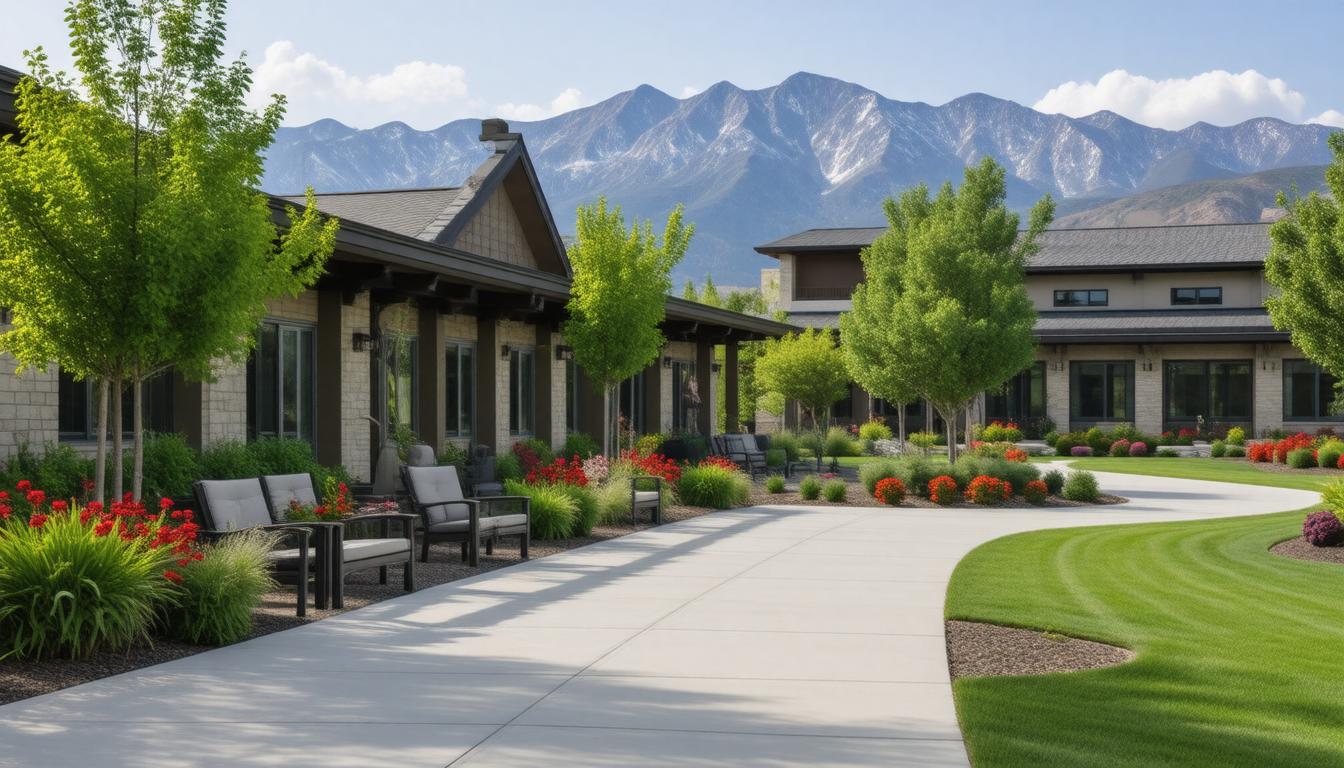

Choosing the right senior living option can feel overwhelming, especially when faced with different levels of care and varying costs. After all, you want your loved ones to lead fulfilling, happy lives in environments where they feel comfortable and safe. In Utah, there are numerous options available—from independent living communities that promote social engagement to assisted living facilities that balance support with autonomy. Our Delicate Decisions Senior Advisors can assist families at no cost.
This guide will help you navigate through the choices, providing insights into costs, types of services offered, and what to consider when making this important decision for yourself or a family member. Whether it’s a lively community atmosphere or specialized medical care you’re after, understanding these elements can streamline the search for the right place to call home.

When it comes to senior living in Utah, there is a variety of choices that cater to different lifestyles and levels of care. It's not just about finding a place to live; it’s about ensuring that each individual has access to the support they need while also maintaining their independence. This flexibility is vital for many seniors who want to enjoy life without feeling overwhelmed by their circumstances.
Independent living is often the first choice for many active seniors. These communities are designed for those who require minimal assistance but still appreciate a vibrant social environment. Residents can engage in fitness classes, participate in group outings, or enjoy communal dining experiences—all while living in comfortable, private senior apartments.

A prime example is The Seville Retirement Community in Orem, which not only provides spacious living areas but also emphasizes the importance of autonomy among its residents. Here, the focus is on maintaining independence while essential services like housekeeping are readily available.
As you consider independent living options, think about what matters most to your loved one. Do they enjoy socializing with peers? Active lifestyle programs can be a key part of that decision—they offer opportunities for connection and friendship, which are crucial elements of overall well-being as people age.

For seniors who find themselves needing a bit more help with daily activities such as bathing, dressing, and medication management, assisted living facilities become an excellent option. According to recent data from 2025, about 40% of Utah’s senior population chooses assisted living environments that provide a balance between independence and necessary support. Families appreciate these facilities because they offer personalized assistance while fostering an atmosphere that encourages seniors to maintain as much autonomy as possible.
What makes assisted living special is not just the assistance provided but also the community aspect these facilities embody. Many residents form lasting friendships over shared meals or during recreational activities designed specifically for them. This social engagement can greatly enhance their quality of life.
Selecting the right living arrangement for seniors can significantly affect their quality of life. This decision not only hinges on the degree of assistance needed but also reflects a senior's desire for independence.
For those who thrive on autonomy but may require some support, independent senior living offers a perfect balance. Residents typically live in private senior apartments or cottages, enjoying the freedom to design their daily routines and engage in activities that matter to them.

Access to social clubs, travel groups, and hobby classes fosters a sense of community while allowing personal exploration.
On the other hand, for older adults who require more help with daily tasks, assisted living provides a structured environment where round-the-clock assistance is readily available. Here, residents benefit from personal care services, medical attention, and emergency services, all tailored to provide comfort and security.
For instance, transportation to medical appointments is often coordinated seamlessly, ensuring seniors can attend vital check-ups without any added stress.
“Living here provides me the safety net of having assistance at hand without compromising my independence,” shares Jane, an 82-year-old resident of Cedarwood at Sandy. Her experience exemplifies how these communities can nurture both independence and safety, a desirable duo for many seniors today.
The blend of freedom and support available means that families can find suitable options tailored to their loved ones’ needs. As we transition into understanding different types of facilities that focus specifically on health-related requirements, we will see how they cater effectively to various levels of care while maintaining a comforting atmosphere for all residents.

Specialized care facilities like memory care units and nursing homes play a critical role in supporting seniors who require advanced healthcare. This is particularly true for individuals with Alzheimer's disease or other forms of dementia, where everyday tasks might become increasingly challenging.
Imagine a mother or grandfather who once thrived on independence but now struggles to remember personal details or even recognize familiar faces. In such cases, these facilities provide not just care; they offer a lifeline to dignity and safety.
Memory care facilities specifically cater to seniors dealing with memory-related conditions. These environments are designed to promote safety while helping residents maintain as much independence as possible. With enhanced security measures like controlled access and monitoring systems, family members can rest easy knowing that loved ones are less likely to wander off or become lost.
Trained staff are crucial here; they understand dementia-specific care techniques, enabling them to engage residents in meaningful activities that stimulate memory and cognitive function. From arts and crafts to gentle exercises, these interactions help foster a sense of community and purpose.
Importantly, many memory care facilities also offer individualized care plans tailored to each resident’s specific condition, ensuring both support and encouragement throughout their journey.
On the other hand, nursing homes serve individuals needing a higher level of medical support. These establishments are not merely places to live; they are equipped to handle extensive medical needs often associated with chronic illnesses or post-surgical recovery. The costs in Utah can be substantial—averaging over $7,000 per month due to the round-the-clock medical supervision provided.
Here’s a closer look at some essential services typically available in nursing homes:
| Service | Description |
|---|---|
| 24/7 Medical Supervision. | Continuous access to medical professionals |
| Rehabilitation Programs | Physical therapy and occupational therapy sessions |
| Specialized Dietary Plans | Meals tailored to meet individual health requirements |
| Personalized Care | Individualized attention based on patient needs |
With trained staff available around the clock, nursing homes allow for prompt responses to any health concerns that may arise. They not only manage daily living activities but also assist clients with complex medical needs, making them invaluable resources for families facing tough decisions regarding their loved one's care.
Understanding the range of services offered at these specialized facilities provides an insightful foundation for evaluating costs and access to necessary support. Next, we will take a closer look at how various factors impact the financial landscape of transitioning into senior living options.
One of the first things that often comes to mind when considering senior living options is, “What will this cost?” It's a valid question, especially since prices can vary widely depending on several key factors.
| FACTOR | IMPACT ON COST |
|---|---|
| Location | Urban areas like Salt Lake City are pricier |
| Type of Facility | Nursing homes cost more than assisted living |
| Amenities Offered | More amenities lead to higher costs |
| Level of Care Necessity | Skilled Nursing Facilities and intensive care raises costs significantly |
Location plays a significant role in determining the price tag attached to senior living facilities. For example, areas with higher living expenses will naturally translate into higher monthly fees. In Utah, if you're searching in bustling Salt Lake City, you might find costs soaring towards $4,500 per month for assisted living. Conversely, a similar facility nestled in a quieter rural area could be available for around $3,000 a month. This difference arises not only from demand but also from overall cost of living which fluctuates between urban and rural settings.
Another important factor is the type of facility itself. Nursing homes typically command steeper prices compared to assisted living communities due to the level of medical care and support they provide, including 24/7 accessibility to qualified staff and specialized treatment options. Families seeking companionship and some assistance might lean toward independent or assisted living options instead, which can suit those who don’t need constant care.
Additionally, consider the amenities offered by the facility. Facilities providing an array of services—like wellness programs, transportation assistance, or recreational activities—often come with a higher price point. While it may be tempting to opt for more basic services to save money, think through how those additional services could enhance quality of life for residents. Having access to curated meal plans or community events, for instance, can keep seniors socially active and mentally stimulated.
Assessing the level of care necessary for your loved one significantly affects costs; intense care requirements necessitate specialized attention and resources that raise expenses. With this understanding of costs and factors influencing senior living choices, we now turn our attention to exploring potential avenues for financial support and planning options.

Many families are faced with the reality of planning for costs associated with senior living. Finding assistance options can be particularly helpful when financing a comfortable lifestyle for our loved ones. Fortunately, in Utah, there are programs and resources designed to ease this burden.
For instance, Medicaid stands out as a significant resource that provides support for low-income seniors to help cover medical expenses. This program alleviates some financial strain while ensuring that seniors receive necessary care without sacrificing their quality of life.
Families should also explore additional avenues such as:
While these options are valuable, it's essential to consider long-term planning as well.
One worthwhile avenue to consider is long-term care insurance. This type of coverage can substantially reduce out-of-pocket expenses when transitioning into a senior living community. By investing in long-term care insurance early—preferably before health issues arise—you can protect against escalating costs down the line. However, premiums can be relatively high, so starting to consider this option early can lead to lower premiums and better coverage options.
“Planning is bringing the future into the present so that you can do something about it now.” This quote by Alan Lakein emphasizes how proactive management today can create security in tomorrow's decisions.
Utilizing these financial tools effectively hinges on understanding your specific needs and preferences.
Each family’s situation differs based on individual circumstances like health status, family dynamics, and financial capability. Before making decisions, sit down together as a family and discuss what care your loved one might need now and in the future. Assessing their needs will allow you to choose the right combination of resources that best fit those requirements.
With careful evaluation and planning, families can ensure that they receive high-quality care without overwhelming financial stress while preparing for the next stages ahead.
Before committing to a specific senior living option, it’s essential to conduct a thorough assessment of personal needs and preferences. This process isn’t just about picking a place; it’s about finding a home that matches lifestyle, health requirements, and financial capabilities.
Let's break down the steps necessary for this self-evaluation process. First and foremost, health needs play a vital role in determining the right level of care. Take a close look at medical history and current health status.
Is there a chronic condition that requires regular management? Or perhaps mobility issues that could affect daily activities? Understanding these nuances will help clarify what kind of assistance may be necessary moving forward.
Having assessed health needs, the next focus should be on daily living activities.
Identifying the level of assistance required for daily activities is crucial—this encompasses everything from grooming and dressing to cooking and cleaning. If someone is mostly independent but may need help with meal preparation or occasional transportation, independent living might suffice. On the other hand, if substantial assistance is needed, options like assisted living could be more suitable.
Following this analysis of everyday challenges, it’s equally important to consider social preferences as part of the evaluation process.
Many seniors thrive on social interactions and community involvement. Determine how much value is placed on participating in organized social activities or having opportunities to engage with peers. A vibrant community can significantly enhance quality of life, offering activities such as art classes, game nights, or gardening clubs. Finding a facility that prioritizes social engagement can make all the difference in fostering a fulfilling lifestyle.
With health needs and social factors considered, establishing a budget becomes the next critical step.
When budgeting for senior living expenses in Utah, understand that costs can fluctuate widely among different facilities and levels of care. For instance:
| Type Of Living | Average Monthly Cost |
|---|---|
| Independent Living | $2,500 - $3,500 |
| Assisted Living | $3,000 - $4,500 |
It's wise to create a detailed budget that accounts for both expected and unexpected expenses—like personal care items and potential medical emergencies—that may arise as time goes on.
Tip: Be conservative when estimating budget limits; allowing some flexibility may help manage unforeseen circumstances.
After completing these self-assessment steps—understanding health needs, evaluating daily living activities required, considering social preferences, and setting a realistic budget—families will have a well-rounded view of what’s most important. Conducting family meetings is another effective strategy where all involved parties can discuss emotions openly while consulting with a senior living advisor ensures no aspect is overlooked in this decision-making journey.
By systematically evaluating each factor outlined here, families can avoid future regrets and ensure that their loved one finds an ideal living arrangement tailored precisely to meet individual requirements.
In navigating these decisions about senior living in Utah, remember that every aspect—from health considerations to financial planning—plays a crucial role in achieving peace of mind for both seniors and their families. Stay informed and proactive to make the best choices possible.
Delicate Decisions
Draper, UT 84020
(801) 867-5853
Jaycee@DelicateDecisions.com


Servicing Northern Utah
Salt Lake City, West Jordan, Provo, Sandy, South Jordan, Ogden, Lehi, Orem, Draper,
Riverton, Highland, Bluffdale, Park City, Alpine, and More
All Rights Reserved © Copyright 2025 - 2026 | DelicateDecisions.com