
In Utah, there are numerous assisted living facilities and residential care homes that cater to seniors' needs, providing services such as personal care assistance, medication management, and social activities. Our team at Delicate Decisions can guide you through the process of exploring these options, ensuring you find the right community that fits your loved one's needs across Northern Utah.
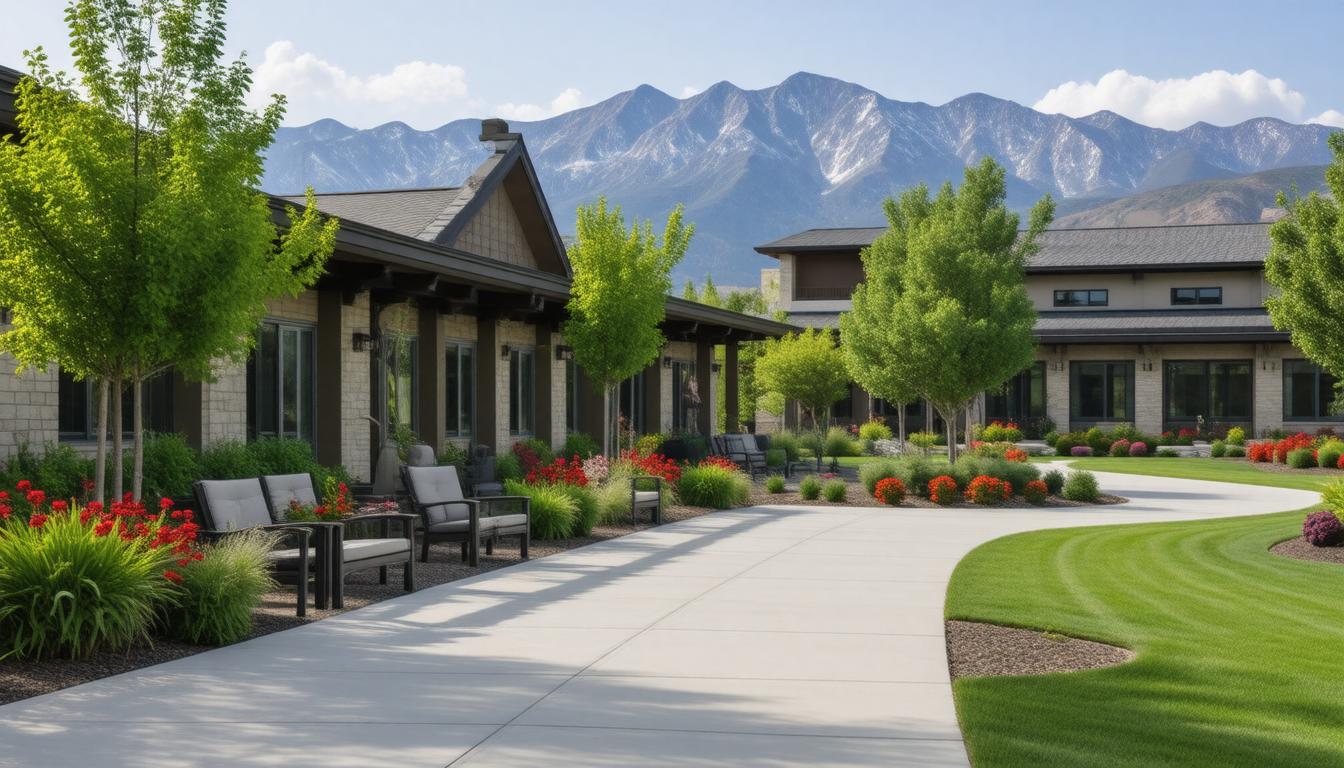
Assisted Living in Northern Utah truly exemplifies a compassionate approach to senior care, blending independence with essential support. As families consider these options for their loved ones, it's crucial to recognize that each facility emphasizes unique services designed to cater to various levels of need. Whether a senior requires limited assistance with daily tasks or more comprehensive support due to health concerns, there's a suitable option available.
Northern Utah cities that cater exceptionally well to the needs of seniors.

“Every choice matters when it comes to the well-being of loved ones,” says Dustin Baker, owner of Delicate Decisions Senior Living Advisors, underscoring the importance of informed decisions in this journey.
The numbers speak volumes. With over 170 licensed assisted living facilities in the state, as noted by the National Center for Assisted Living, Utah's growing population of seniors benefits from a wealth of choices. This provides families with a buffet of options ranging from small, intimate homes that promote a sense of family to larger facilities bustling with activities and socialization.
What’s particularly noteworthy is how many of these facilities are tailored to specific needs. For instance, some establishments focus on memory care, employing Dementia Care Certified professionals who specialize in Alzheimer's and related conditions. This specialized training ensures that caregivers not only understand the complexities of these conditions but also offer patience and empathy, allowing residents to thrive despite their challenges.
In addition to personalized care plans, facilities emphasize lifestyle enrichment through various activities that encourage engagement and social interaction. From arts and crafts classes to exercise programs specifically designed for seniors, there’s something for every interest.
Families are encouraged to actively participate in selecting the best path forward; visiting potential facilities allows for firsthand experience of what life would be like for their loved one. Engaging with staff members as well as current residents cultivates invaluable insights into daily operations and community ethos.
Recognizing the unique offerings across these assisted living communities equips families with the knowledge needed to make thoughtful decisions about their loved one's future. Understanding the different environments available can significantly impact overall satisfaction and quality of life.

In Utah, assisted living homes come in two primary types: Type I and Type II.
Each caters to different levels of care and support, ensuring that seniors receive the assistance they need while still enjoying some level of independence.
Type I facilities are tailored for older adults who require only minimal assistance. This type of facility provides a supportive environment where residents can maintain their independence without feeling overwhelmed.
In these communities, you often find apartment-style living arrangements which allow for comfort and privacy. Residents typically enjoy access to communal dining rooms where they can gather for meals, fostering social interactions with fellow residents. Beyond dining, there are usually activity centers packed with engaging programs like arts and crafts, fitness classes, or game nights—perfect for those seeking an active lifestyle. Additionally, transportation services are often included, so seniors can easily visit local shops, attend medical appointments, or join friends on outings.
These spaces are designed to create a balance between autonomy and support—allowing seniors to live comfortably while having help at hand if needed.

Type II facilities cater to seniors who need more comprehensive support due to greater physical or cognitive challenges. This means that these places offer a wider range of healthcare services, as well as personal assistance with daily activities such as bathing, dressing, or medication management.
Residents in Type II facilities often benefit from 24-hour supervision—a reassuring aspect for families who want peace of mind knowing that their loved ones are monitored around the clock. In many cases, health professionals are readily available within these communities, allowing for timely medical attention when necessary.
In terms of atmosphere, Type II facilities tend to foster a more home-like feel as they focus on providing personalized care tailored specifically to each resident's needs. With access to various recreational programs designed for different abilities, these communities ensure that every resident can engage in meaningful activities that promote both mental and physical wellness.
Understanding these types helps clarify what kind of environment will serve your loved one best—whether they lean towards enjoying an independent life or require greater assistance and supervision in their daily routines. This insight allows families to navigate their choices with greater confidence as they consider additional advantages offered by various types of care.
The advantages of assisted living facilities are not just limited to basic care; they cater to a more holistic approach towards the overall well-being of seniors. When someone transitions to this kind of living arrangement, they do so much more than just receive assistance with daily tasks. They enter an environment that fosters community, security, and personal health. This nurturing atmosphere leads to an improved quality of life, which is beneficial on many levels.

One significant advantage is socialization. Loneliness can be a considerable concern for seniors, especially those living alone. In an assisted living facility, older adults have multiple opportunities to engage with peers through organized activities, communal dining experiences, and group outings. Not only does this promote mental stimulation, but it also enriches their social ties. As Jane D., a Utah resident, shares:
"When my mother moved into an assisted living facility, the quality of her social interactions improved tremendously."
Another key benefit is safety. Most facilities are equipped with safety features such as alarms, emergency call systems, and trained staff available 24/7. This level of constant vigilance provides peace of mind—not just for residents but for their families as well. Knowing that help is always on hand can significantly reduce anxiety for both parties.
Furthermore, there’s health management. Assisted living communities often provide regular health check-ups and assistance with daily medication schedules. This can be crucial for seniors managing chronic conditions or taking multiple medications. Having professionals keeping track of this means fewer complications and a more structured health plan tailored to individual needs.
Naturally, moving into assisted living isn't solely about the individual who's transitioning; it greatly affects families as well.
With the aid these facilities provide—plus all the personalized services—they relieve family members from the burden of constantly worrying about their loved ones' well-being. This brings about a newfound sense of relief for families while allowing them to enjoy quality time with their senior relatives instead of focusing on daily caregiving chores.
The multifaceted benefits go beyond physical care, addressing emotional and social needs in ways that enhance the lives of seniors and their families. Examining how these offerings translate into quality care reveals even more about what makes these environments unique and supportive.
When evaluating assisted living environments in Utah, quality truly is paramount. The reputation of these facilities often relies on their ability to provide top-notch services that not only alleviate immediate needs but enhance the overall well-being of residents.
One standout feature in many facilities is high-quality medical care. For instance, numerous establishments boast on-site medical practitioners who are ready to attend to resident needs without delay. This dramatically improves safety and health outcomes by ensuring timely access to specialized care, which includes everything from routine check-ups to urgent health concerns.
Residents can breathe easy knowing there are medical professionals available every day. Furthermore, these facilities frequently maintain relationships with local hospitals and specialists, providing residents with expansive healthcare options right at their fingertips. Imagine living in a space where all your medical appointments can be coordinated smoothly, minimizing stress and allowing you or your loved ones to receive the best possible care when needed.
In addition to healthcare, the social aspect of assisted living cannot be overlooked. Facilities recognize that staying active and involved has enormous benefits for both mental and emotional health, so they develop robust schedules packed with engaging activities tailored for various interests.
From art classes that ignite creativity to yoga sessions that promote relaxation and balance, there's something for everyone. Engaging in these activities fosters connections between residents and builds a sense of community, making it feel less like a facility and more like home.
Nutrition plays an integral role in maintaining a healthy lifestyle, particularly as we age; thus, dining options in these facilities merit attention as well. Many offer chef-prepared meals that are not just delicious but customized to accommodate specific dietary needs.
Imagine enjoying flavorful dishes while knowing they are crafted with your health considerations in mind, from heart-healthy options to gluten-free alternatives. Sharing meals can also serve as another social opportunity for residents; enjoying a meal together helps forge friendships and creates cherished moments.
However, understanding the financial aspects involved is vital when choosing the appropriate assisted living option, as these exceptional services come at a price.
The first step in making this important decision is to assess needs. Take some time to sit down with your loved one and discuss their preferences, lifestyle, and health requirements. This evaluation goes beyond just physical health; it also considers emotional well-being and social needs.
For instance, while a person might require assistance with daily activities, they may also thrive in a setting that fosters friendships and connections. Understanding these dimensions can help you match them with the appropriate type of facility, be it Type I for more independent residents or Type II for those needing regular assistance.
After identifying needs, it’s essential to gain a personal perspective by visiting potential facilities.
During visits, conduct thorough tours of each location to capture a genuine feel for the environment and staff interactions. Pay attention not only to cleanliness and amenities but also focus on how staff members interact with residents. Genuine compassion and attentiveness are key indicators of quality care.
Don't hesitate to strike up conversations with current residents and their families; they can share invaluable insights about their experiences. As Mark L. noted about his search, "We visited five different facilities before finding the perfect fit for my dad," which highlights the importance of exploration in making an informed choice.
Once you feel confident about a few potential options, it's time to ensure they meet the required standards by checking credentials.
Verifying the facility’s licensing is critical because it confirms that the place adheres to state regulations and has passed necessary inspections. Additionally, look into staff credentials; are they trained in fields relevant to your loved one's needs? If caregiving involves specialization, such as dementia care, confirm that the staff holds certifications pertinent to those conditions. Depending on your loved one’s requirements, superior staffing qualifications can lead directly to better quality of life.
With credentials verified, there’s an administrative side that requires careful examination: reviewing contracts.
Before signing anything, meticulously review all agreements and understand every fee involved. It’s not uncommon for assisted living contracts to include complex language that could hide additional costs for services not immediately visible in base pricing. Look out for terms regarding transportation fees, medication administration costs, or service agreements for activities that may cost extra. Learning what you’re committing to financially can save both confusion and frustration down the line.
Although this process might seem overwhelming initially, resources like Delicate Decisions offer personalized guidance tailored to simplify navigating these decisions.
Choosing an assisted living facility should always involve thorough research and professional consultation. Working with experts who understand local options can ease stress and ensure you make well-informed choices—after all, your loved one's well-being is paramount in this process.
Families can support their loved ones during the transition to assisted living in Utah by maintaining open communication, visiting regularly, and involving them in decision-making processes. Research indicates that 70% of seniors report feeling more at ease when their family is actively engaged in their care decisions. Additionally, familiarizing them with the new environment and staff can significantly alleviate anxiety and foster a sense of belonging, making the transition smoother for everyone involved.
In Utah, assisted living facilities are governed by regulations established by the Utah Department of Health, which require licensing for all facilities providing assistance to seniors. These regulations include compliance with health and safety standards, staffing requirements, and resident care programming. According to data from 2023, there were approximately 30,000 residents in assisted living facilities across the state, highlighting the importance of stringent oversight to ensure quality care.
The average cost of assisted living in Utah is approximately $3,500 to $4,500 per month, depending on the area and specific services offered. This range is influenced by factors such as location, facility amenities, and the level of care required. As of 2023, Utah's costs are relatively competitive compared to national averages, making it an attractive option for many families seeking quality support for seniors.
Assisted living in Utah primarily focuses on providing a blend of independence and support for seniors who require assistance with daily activities like bathing, dressing, and medication management. In contrast, nursing homes offer more comprehensive medical care for individuals with significant health issues, while independent living facilities cater to seniors who can manage on their own but prefer community living. According to the Utah Department of Health, as of 2023, around 60% of seniors residing in assisted living facilities reported higher satisfaction levels compared to those in nursing homes due to the balance of care and autonomy they experience.
Choosing the right assisted living facility in Utah involves evaluating your loved one's specific needs, including health requirements, level of independence, and personal preferences. Start by visiting potential facilities to assess their environment, staff responsiveness, and available services. Utah boasts over 100 licensed assisted living facilities, so consider factors like location, cost (the average monthly fee ranges from $3,000 to $5,000), and resident reviews to ensure a good fit for your loved one. Ultimately, prioritize a place where they will feel safe, comfortable, and engaged in daily activities.
Delicate Decisions
13894 S Bangerter Pkwy
Draper, UT 84020
(801) 903-2793
Dustin@DelicateDecisions.com


Servicing Northern Utah
Salt Lake City, West Jordan, Provo, Sandy, South Jordan, Ogden, Lehi, Orem, Draper,
Riverton, Highland, Bluffdale, Park City, Alpine, and More
All Rights Reserved © Copyright 2025 - 2026 | DelicateDecisions.com